What Makes a Cannabis Strain Popular? A Look at the Favorites
Walk into any cannabis dispensary and you will see a wall of jars, each holding a different strain with a name that hints at something fruity, earthy, or exotic. Some names you will recognize immediately, while others seem to appear overnight. But what separates the fleeting hits from the ones that stay on shelves year after year? The answer goes far beyond a catchy name.
Over the years I have watched the market shift, talked to growers who obsess over every detail, and tried enough buds to develop firm opinions. A truly popular cannabis strain does not get there by accident. It earns its place through a combination of genetics, consistency, and the kind of experience that makes people come back for more.
The Genetics Behind the Hype
Every notable strain starts with a genetic foundation. The three main categories - Indica, Sativa, and Hybrid - give us a starting point, but the best ones blur those lines in interesting ways. An Indica might offer deep physical relaxation, while a Sativa can bring clarity and energy. Hybrids attempt to balance both sides. But popular cannabis strains usually do not fit neatly into one box. They offer something distinctive that sets them apart from the crowd.
Take Blue Dream, for instance. It is a Sativa-dominant hybrid that has been a staple for years. Its genetics combine a Blueberry Indica with a Sativa strain from the Pacific Northwest. The result is a plant that produces generous yields, resists common diseases, and gives a balanced high that works for both daytime and evening use. That versatility is a big part of why it remains a top seller. Growers appreciate its reliability, and consumers love the smooth experience.
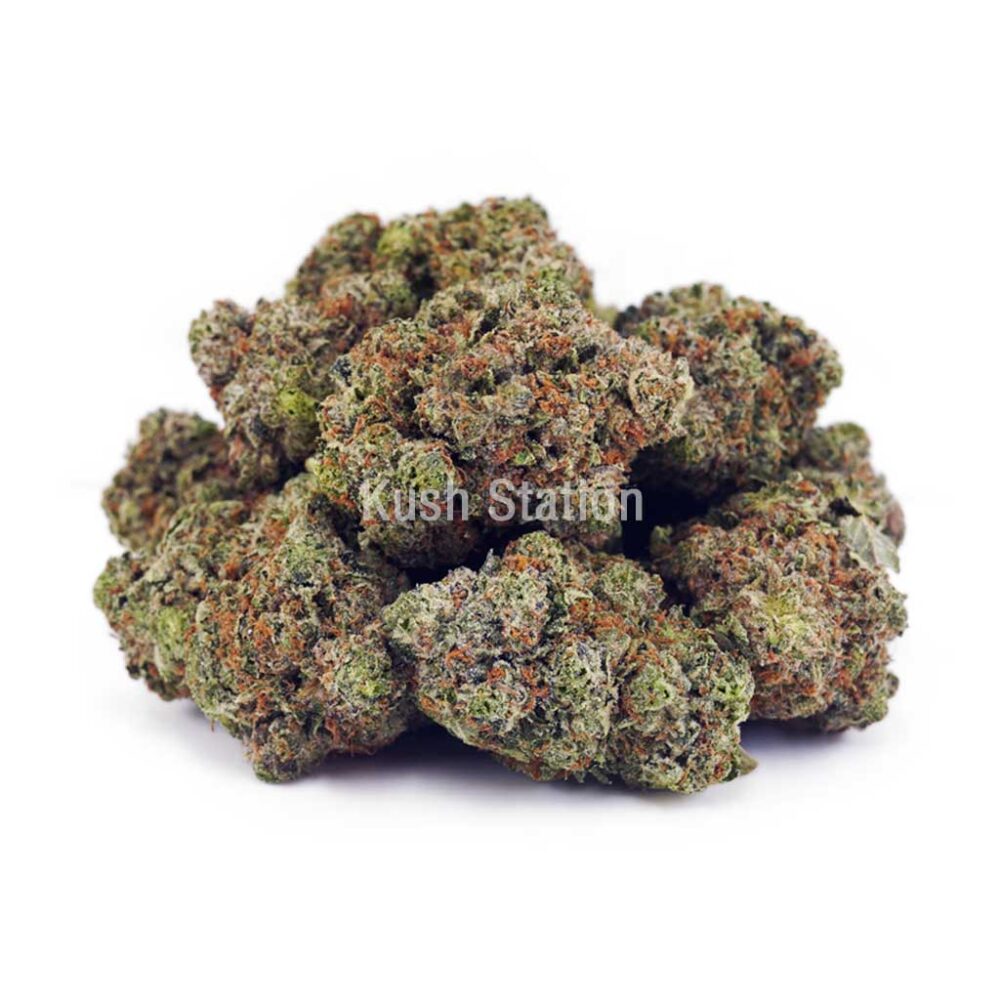
Another example is Girl Scout Cookies. This strain came from crossing an Indica called Durban Poison with an unknown Sativa, and it quickly became a benchmark for potency and flavor. Its genetics produce dense, resin-coated buds that test high in THC. The aroma is sweet and slightly earthy, with hints of mint and chocolate. It became so popular that it spawned dozens of offspring strains, each trying to capture some of that original magic.
What Gives a Strain Its Staying Power
Genetics alone do not make a strain popular. The way growers handle the entire process - from seed to harvest to curing - matters just as much. A strain with weak genetics will never produce top-shelf flowers, but even a great genetic line can be ruined by poor cultivation. That is why reputation follows certain growers. When you see a brand or a farm name attached to a strain, it signals a level of care that translates into better buds.
During harvest timing is critical. Harvest too early and the trichomes are not fully developed, so the potency and terpene profile fall short. Harvest too late and the THC begins to degrade, leading to a heavier, more sedative effect that not everyone wants. Experienced growers check the trichomes under magnification, looking for that milky-white stage when the resin is at its peak. Then comes the curing process, which can take several weeks. Proper curing allows the chlorophyll to break down, giving the flowers a smoother smoke and bringing out the subtler flavors and aromas. Rushed curing is one of the fastest ways to ruin a premium batch.
I have seen beautiful-looking buds that tasted like hay because the cure was cut short. On the flip side, I have tried flowers that looked average but delivered an incredible experience because the grower took the time to cure them right. That attention to detail is what separates good cannabis from truly great cannabis.
Beyond THC: The Role of Terpenes and Cannabinoids
When most people talk about potency, they focus on THC percentage. And yes, THC is the main psychoactive compound. But it is not the whole story. Terpenes are the aromatic compounds that give each strain its unique smell and taste. They also interact with THC and other cannabinoids to shape the overall effect. This is often called the entourage effect.
A strain high in the terpene myrcene, for example, tends to produce a more sedative experience. Limonene brings an uplifting, citrusy note. Pinene adds a piney, fresh scent. The combination of terpenes in a strain like Girl Scout Cookies is what makes it smell and taste so distinct. CBD also plays a role, though most popular cannabis strains today are bred for higher THC and lower CBD. Some consumers seek out balanced ratios, but the market majority leans toward potency.
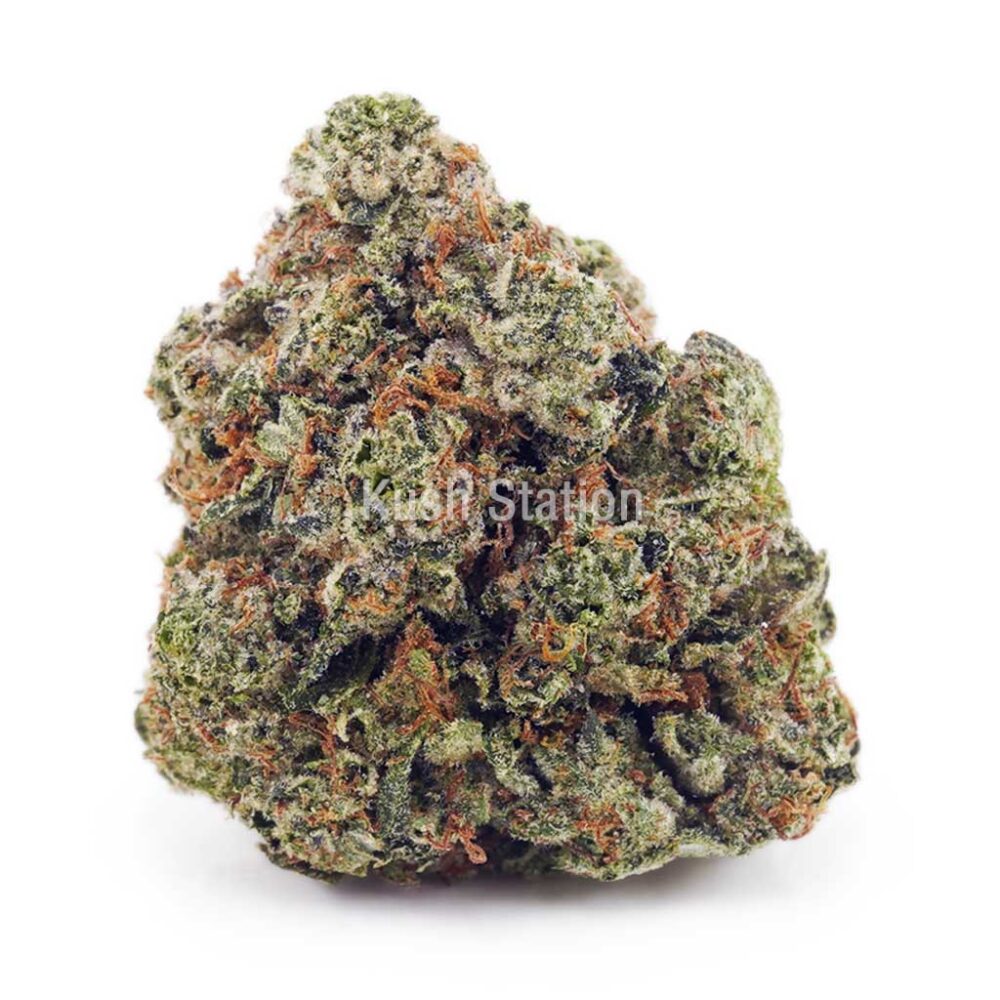
Resin production is another key factor. The sticky resin that coats the buds and leaves is where the trichomes live. Trichomes are the tiny, crystal-like glands that produce cannabinoids and terpenes. Strains that are heavy with resin are prized for making concentrates, but they also tend to be more flavorful and potent when smoked as flower. That is why strain reviews often mention how "frosty" the buds look. It is a visual cue that usually correlates with a strong experience.
How Flavors and Aromas Drive Choice
Flavor and aroma are deeply personal. One person might love the diesel-like funk of a heavy Sativa, while another prefers the sweet berry notes of a well-grown Indica. Over time, certain flavor profiles have become hallmarks of popular cannabis strains. Fruity and dessert-like strains - think blueberry, lemon, vanilla, and chocolate - tend to have broad appeal. Earthy, piney, and spicy profiles attract a different crowd.
I have noticed that newer consumers often gravitate toward sweet, fruity aromas because they are less intimidating. More experienced users sometimes seek out the bold, pungent scents that signal high potency. But the best strains offer complexity. A single inhale might reveal citrus on the front, followed by a floral middle, and finish with a hint of spice. That layered profile keeps people coming back. It is the difference between a one-night stand and a long-term relationship with a strain.
Reading Strain Reviews and Labels
When you walk into a cannabis dispensary, the labels can be overwhelming. THC percentage, CBD content, terpene profile, lineage, and grower name are all there. Strain reviews from other customers can help, but take them with a grain of salt. One person's perfect relaxing Indica might be another's couch-lock nightmare. What I look for first is the grower. If I recognize the name from previous good experiences, I trust that product more. Then I check the terpene breakdown to see if the aromas match what I am in the mood for. Potency matters, but a strain with 32% THC that tastes harsh is less enjoyable than a 22% strain that smokes smooth and tastes great.
Among popular cannabis strains, consistency is rare. A strain that was amazing last year might be average this year if a different grower produced it. That is why building a relationship with a trusted source matters. Some dispensaries carry the same strains from the same growers for years, and those are usually the ones worth sticking with.
Final Thoughts on Finding Your Favorite
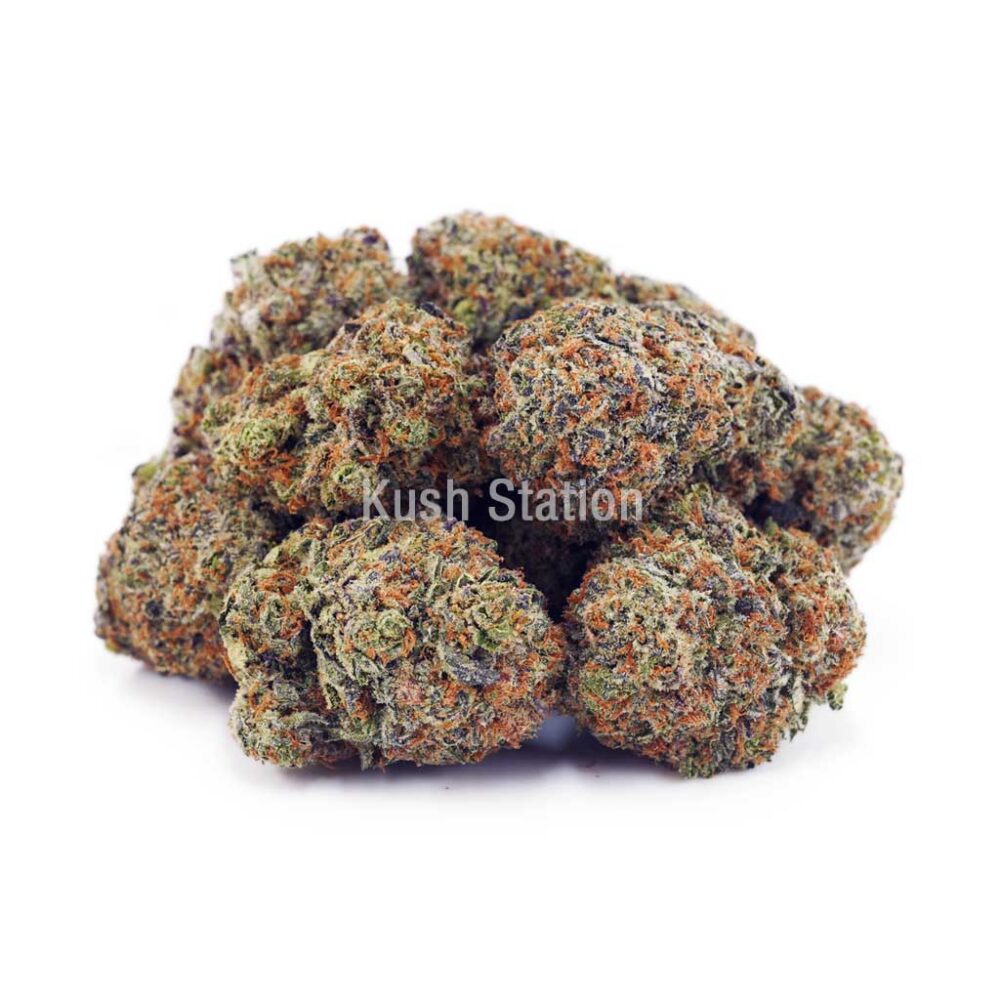
There is no single best strain. The search for a favorite is part of the fun. But understanding what goes into making a strain popular - the genetics, the cultivation, the terpene profile, and the curing - helps you make smarter choices. Instead of chasing the highest THC number or the trendiest name, pay attention to the details. Ask about the grower. Look at the trichomes. Smell the flowers before you buy.
The most popular cannabis strains are popular for a reason. They deliver a consistent experience that satisfies both the casual user and the connoisseur. Whether you lean toward a bright Sativa like Blue Dream or a rich Hybrid like Girl Scout Cookies, knowing what you are getting makes every session better. And that knowledge, over time, turns a simple purchase into a genuine appreciation for the plant and the people who grow it.
Corrections
Spot something wrong? Send it to the desk and it gets fixed in the open.